From Aztec Roots to Global Icon: The Ancient History of Guacamole
Few dishes command such universal love and recognition as guacamole. This vibrant, creamy, and undeniably delicious dip has transcended its origins to become a staple on tables worldwide, a testament to its irresistible flavor and versatility. But beneath its modern appeal lies a rich, fascinating history that stretches back millennia, woven into the very fabric of Mesoamerican civilization. Far more than just a simple avocado dip, guacamole is a culinary time capsule, preserving ancient traditions and flavors that continue to delight us today.
Join us on a journey back in time to explore the humble beginnings of this beloved dish, tracing its evolution from an Aztec staple to the global icon it is today. We'll uncover its intriguing etymology, delve into its traditional preparation methods, and understand the cultural significance that has propelled guacamole from a regional delicacy to an indispensable part of global cuisine.
The Ancient Heart of Mexico: Guacamole's Aztec Genesis
Our story begins in what is now modern-day Mexico, specifically among the Aztec civilization between the 14th and 16th centuries. Here, the avocado, a fruit known to the Aztecs as ahuacatl, was not just a food source but a vital component of their diet, revered for its rich nutritional profile. Archaeological evidence indicates that avocado cultivation in central Mexico dates back an astonishing 7,000 years, underscoring its deep indigenous roots and importance as a food staple.
It was in this fertile cultural landscape that the first iteration of guacamole was developed. The Aztecs created a simple yet ingenious mixture of mashed avocados combined with other readily available ingredients. The very name "guacamole" is a direct linguistic inheritance, derived from the Classical Nahuatl word ahuacamolli, a compound of ahuacatl (avocado) and molli (sauce). This perfectly encapsulates its essence: a sauce or condiment made from avocado.
Interestingly, the root word ahuacatl carried a slang connotation of "testicle" in Nahuatl, likely due to the avocado's distinctive shape and how it often grows in pairs, resembling the paired organs. This intriguing etymological detail adds another layer of cultural depth to the dish, highlighting the Aztec's observational humor and the fruit's unique form. The Spanish conquistadors, upon encountering this nutrient-dense fruit, even referred to it as "poor man's butter," a nod to its high fat content and creamy texture that provided sustenance to the populace. The dish's existence is further documented in the invaluable 16th-century Florentine Codex by Franciscan friar Bernardino de Sahagún, affirming its established place in Aztec daily life and celebratory feasts.
Beyond Avocado: The Original Guacamole Ingredients and Preparation
While the modern interpretation of guacamole often involves a quick mash-up, the Aztec origins reveal a more nuanced and intentional preparation. At its heart, traditional guacamole consists of ripe avocados, mashed to a creamy consistency. Essential for both flavor enhancement and preventing oxidation (browning), fresh lime juice and a generous pinch of salt were, and still are, critical components. These simple additions elevate the avocado's natural richness, creating a harmonious base.
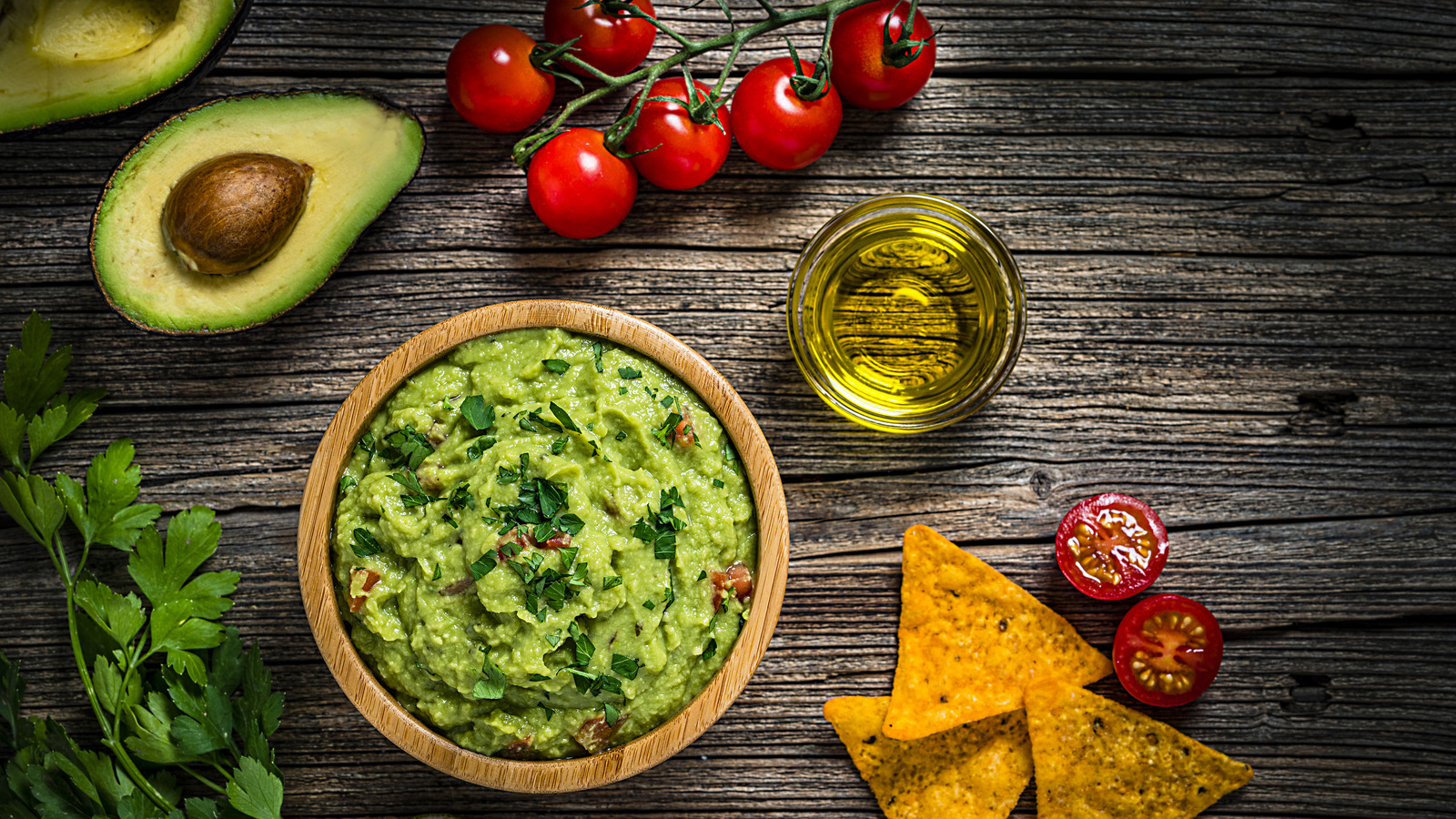
However, the true magic of authentic guacamole lies in its traditional fresh embellishments. Finely chopped white onions, diced tomatoes, minced jalapeños or other chilies for a kick of heat, pungent garlic, and fresh cilantro are all hallmarks of classic recipes. These ingredients are not merely tossed in but are often meticulously prepared to contribute to a vibrant, chunky texture that expertly balances creamy, tangy, and spicy notes. The interplay of these fresh elements creates a complex flavor profile that distinguishes truly great guacamole.
The preferred tool for this culinary creation was, and for many purists still is, the molcajete. This traditional stone mortar and pestle, rooted deeply in Aztec culinary practices, is more than just a mashing tool. Using a molcajete allows for the grinding and blending of ingredients, releasing their essential oils and juices in a way that modern food processors simply cannot replicate. This process creates a distinct texture and depth of flavor that defines authentic Mexican guacamole.
In fact, a significant secret to achieving that unparalleled traditional flavor involves starting with a paste. By first grinding fresh ingredients like cilantro, onion, garlic, and chili in a molcajete (or a regular mortar and pestle), you unlock a concentrated burst of flavor that melds beautifully with the avocado. This method creates a foundational flavor base that makes an extraordinary difference, as detailed in our guide on how to Unlock Authentic Guacamole: The Secret Mexican Paste Method.
From Regional Delicacy to Global Craze: Guacamole's Journey
Following the Spanish conquest, guacamole, along with avocados, began its slow but steady journey beyond Mesoamerica. It was during the colonial period that the Nahuatl term ahuacamolli was borrowed into Spanish as "guacamole," adapting to the phonetic shifts of Latin American Spanish before eventually entering the English lexicon in the 20th century as Mexican cuisine gained global traction.
Its widespread popularity in the United States, in particular, took off significantly after avocados were formally introduced to the country in 1871. However, it wasn't until the late 1960s and 1970s that guacamole truly surged into the mainstream consciousness. This period saw a growing interest in Mexican cuisine alongside an increasing awareness of health-conscious eating, and avocados, with their healthy fats and vitamins, fit perfectly into this emerging trend. The versatility of guacamole also played a key role; it quickly became a beloved dip for tortilla chips, a flavorful topping for tacos and burritos, and an exciting ingredient in various fusion dishes.
Today, guacamole stands as a powerful symbol of Mexican cultural heritage. It evokes images of family gatherings, festive celebrations, and communal dining experiences. Its journey from an indigenous condiment, initially with a playful slang term for its main ingredient, to a universally recognized dish name, exemplifies a fascinating cultural fusion and culinary evolution. Its adaptability has allowed it to maintain its traditional essence while inspiring countless contemporary interpretations across the globe.
Mastering the Art of Guacamole: Tips for Authentic Flavor and Freshness
For home cooks eager to recreate that truly authentic experience, a few key insights can elevate your homemade guacamole from good to extraordinary:
- Start with Ripe Avocados: This is non-negotiable. Look for avocados that yield slightly to gentle pressure but aren't mushy. Ripe avocados provide the creamy texture and rich flavor essential for the best guacamole.
- Embrace Fresh, Quality Ingredients: The beauty of guacamole lies in the freshness of its components. Use vibrant cilantro, crisp onions, juicy limes, and pungent garlic. The difference in taste is palpable.
- The Secret Paste Method: As mentioned, don't just chop and stir. Traditionally, ingredients like garlic, onion, cilantro, and chili are crushed into a paste first. This process releases their aromatic oils and compounds, infusing the guacamole with a deeper, more cohesive flavor. It's the difference between ingredients merely existing together and truly melding into a harmonious whole. For a detailed guide on this transformative technique, revisit Unlock Authentic Guacamole: The Secret Mexican Paste Method.
- Season Thoughtfully: Taste as you go! Adjust salt and lime juice until the flavors sing. The acidity from the lime juice brightens the avocado and helps prevent browning, while salt enhances all other flavors.
- Prevent Browning: The dreaded browning of guacamole is a common concern. While lime juice helps, a simple trick for extending its vibrant green color involves pressing plastic wrap directly onto the surface of the guacamole before refrigerating. This creates an airtight seal that minimizes exposure to oxygen. For more advanced tips and a comprehensive guide to keeping your dip perfectly green, explore Guacamole Perfection: Keep it Green & Master Traditional Flavor.
- Consider a Molcajete: If you're serious about authentic texture and flavor, investing in a molcajete can be a game-changer. The abrasive action of the stone releases more flavor from the aromatics than simple chopping.
Conclusion
The journey of guacamole is a compelling narrative of culinary evolution, cultural resilience, and global appeal. From its humble beginnings as a staple in Aztec households, rooted in ancient agricultural practices and named in the Nahuatl language, it has traversed centuries and continents to become one of the world's most beloved dips. Its enduring popularity is a testament not only to the deliciousness of its core ingredients but also to the rich cultural heritage it embodies. Each spoonful of guacamole offers a taste of history, a connection to ancient traditions, and a celebration of the vibrant flavors that continue to unite people around the table. Whether enjoyed with classic tortilla chips or as an innovative addition to a modern dish, guacamole remains a timeless culinary masterpiece, carrying the legacy of its Aztec roots into every delicious bite.
