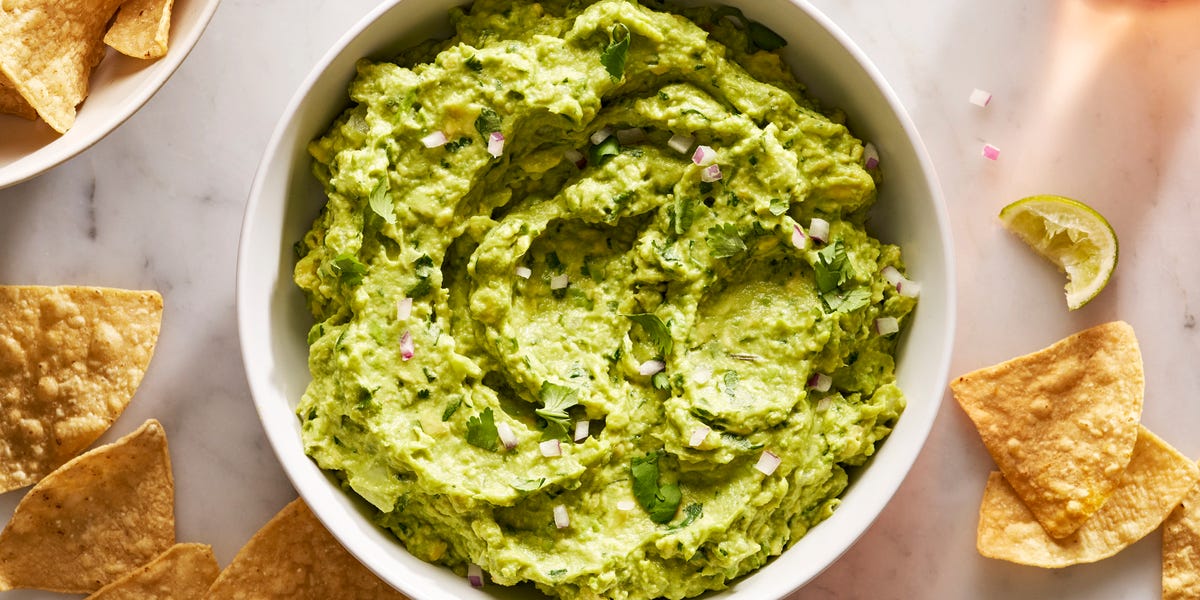
Guacamole Perfection: Keep it Green & Master Traditional Flavor
Few dishes evoke the vibrant spirit of Mexican cuisine quite like
guacamole. This creamy, rich, and utterly irresistible avocado-based delight has captured hearts and taste buds worldwide. While countless versions exist, achieving that perfect balance of traditional flavor and maintaining its signature bright green hue can seem like a culinary enigma. This article delves into the ancient origins of this beloved dip, unveils the secrets to its authentic taste, and provides invaluable tips to keep your guacamole gloriously green, ensuring every scoop is a taste of perfection.
The Ancient Roots of Guacamole: A Culinary Legacy
The story of guacamole begins not in modern kitchens, but in the heart of Mesoamerica, where the Aztecs first cultivated and cherished the avocado. Far from being a mere snack, avocados were a vital, nutrient-dense food source, providing essential fats and vitamins to the indigenous populations between the 14th and 16th centuries. The Spanish conquistadors, upon encountering this "poor man's butter," would eventually introduce it to the wider world.
From Aztec Staple to Global Delight
The name "guacamole" itself is a beautiful echo of its heritage, deriving from the Classical Nahuatl word
āhuacamōlli, a compound of
āhuacatl (avocado) and
mōlli (sauce). Interestingly, the root
āhuacatl also carried a slang connotation of "testicle" in Nahuatl, likely due to the avocado's shape and how the fruit hangs in clusters. This historical linguistic detail underscores the deep cultural connection between the fruit and its preparation.
Archaeological evidence points to avocado cultivation in central Mexico dating back over 7,000 years, highlighting the fruit's profound ties to indigenous agriculture. The 16th-century Florentine Codex, penned by Franciscan friar Bernardino de Sahagún, even documents guacamole's significant place in Aztec daily life and celebratory feasts.
After its introduction to the United States in 1871, guacamole's popularity truly exploded in the late 1960s and 1970s, fueled by a growing interest in Mexican cuisine and health-conscious eating. Today, it stands as a global symbol of Mexican cultural heritage, frequently associated with family gatherings, communal dining, and endless versatility – from a simple chip dip to a sophisticated topping in fusion dishes. For a deeper dive into its fascinating history, explore our article:
From Aztec Roots to Global Icon: The Ancient History of Guacamole.
Decoding Traditional Guacamole: Beyond Basic Mashing
Many home cooks approach guacamole by simply mashing avocados and stirring in a few ingredients. While this yields a pleasant dip, it often falls short of the depth and vibrancy found in truly authentic Mexican versions. The secret lies in a traditional method that builds flavor from the ground up.
The Core Ingredients & Why They Matter
At its heart, guacamole is a deceptively simple dish, relying on the quality and freshness of its components:
*
Ripe Avocados: The foundation. Look for Hass avocados that yield slightly to gentle pressure. They provide the creamy base and rich, buttery flavor.
*
Lime Juice: Essential for its bright tang, which cuts through the avocado's richness. Crucially, lime juice also plays a vital role in preventing oxidation and browning.
*
Salt: A non-negotiable seasoning that enhances all other flavors, bringing them into harmony.
Traditional recipes elevate these basics with a medley of fresh, vibrant additions:
*
Finely Chopped Onion (white or red): Adds a pungent, zesty kick.
*
Diced Tomatoes (deseeded): Contributes a touch of sweetness and a juicy texture.
*
Minced Jalapeños or Serranos: Provides a customizable level of heat.
*
Garlic: Infuses a foundational aromatic warmth.
*
Cilantro: Delivers a fresh, herbaceous counterpoint.
These ingredients combine to create a chunky texture that perfectly balances creamy, tangy, and spicy notes, a hallmark of traditional guacamole.
The Secret Weapon: Building Flavor with a Paste
This is where many home cooks can elevate their guacamole from good to truly exceptional. Authentic Mexican guacamole often begins not with simply dicing ingredients, but by creating a flavorful paste. Imagine the difference between stirring herbs into a dish versus infusing them into a base liquid – the latter yields a much deeper, more integrated flavor.
The traditional method involves grinding onion, garlic, cilantro, and chili (like jalapeño or serrano) into a paste using a
molcajete – a volcanic stone mortar and pestle rooted in Aztec culinary practices. This process releases the essential oils and flavors of these aromatics more thoroughly than mere chopping ever could. When the mashed avocado is then folded into this aromatic paste, it absorbs these concentrated flavors, resulting in a guacamole that tastes intensely fresh, complex, and utterly balanced.
If you don't have a molcajete, a sturdy mortar and pestle will work, or for a quicker alternative, finely mince and mash these ingredients together on a cutting board using the side of a knife. The goal is to create a pungent, aromatic foundation that will imbue your guacamole with unparalleled depth. To master this technique, check out our dedicated guide:
Unlock Authentic Guacamole: The Secret Mexican Paste Method.
The Ultimate Green Guide: Keeping Guacamole Fresh and Vibrant
The dreaded brown guacamole is a common sight and a universal disappointment. Fortunately, understanding why it happens and employing a few simple tricks can keep your creation looking as appealing as it tastes.
Why Guacamole Browns (Oxidation Explained)
Guacamole browns due to a natural enzymatic reaction called oxidation. When the flesh of an avocado is exposed to oxygen, an enzyme (polyphenol oxidase) reacts with phenols in the avocado, forming brown-colored compounds. This process doesn't make the guacamole unsafe to eat, but it certainly diminishes its visual appeal and can slightly alter the taste.
Proven Techniques to Prevent Browning
While the brown layer can be scraped off, prevention is always better than cure. Here are the most effective methods:
1.
The Lime Barrier: Liberal use of lime juice isn't just for flavor; its acidity significantly slows down the oxidation process. Ensure your guacamole is adequately seasoned with lime juice, and consider drizzling a little extra over the top before storing.
2.
Airtight Seal: The enemy is oxygen. To store guacamole, transfer it to an airtight container. Crucially, press plastic wrap directly onto the surface of the guacamole, ensuring no air pockets remain between the wrap and the dip. This creates an oxygen-free seal.
3.
The Water/Lime Water Layer: A highly effective "secret" used by many Mexican cooks involves creating a liquid barrier. Once your guacamole is in an airtight container, gently pour a thin layer of plain water (or a very thin layer of lime juice) over the top. The liquid prevents oxygen from reaching the guacamole. When ready to serve, simply pour off the liquid and give the guacamole a gentle stir. This method can keep your guacamole vibrant green for up to two days in the fridge!
4.
The Avocado Pit Myth vs. Reality: You might have heard that leaving an avocado pit in the guacamole prevents browning. While a widespread belief, it's largely a myth. The pit only prevents oxidation where it touches the guacamole, leaving the rest of the surface still vulnerable. The methods above are far more reliable.
Mastering Guacamole: Tips for Perfection
Beyond the ingredients and browning prevention, a few expert tips can elevate your guacamole game:
*
Choosing the Right Avocados: Always start with perfectly ripe avocados. They should yield slightly to gentle pressure but not feel mushy. Overripe avocados can have stringy bits and a less vibrant flavor.
*
Texture Control: Do you prefer smooth or chunky? While traditional guacamole often has a delightful chunky texture from mashed avocado and finely diced additions, you can adjust to your preference. For a smoother dip, mash the avocados more thoroughly.
*
Seasoning to Taste: This is paramount. Always taste and adjust your salt and lime juice as you go. Avocados can absorb a surprising amount of seasoning.
*
Serving Suggestions: While classic tortilla chips are a given, don't limit yourself! Guacamole is fantastic with tacos, burritos, quesadillas, eggs, grilled meats, or as a vibrant dollop on salads. Its versatility makes it a perfect accompaniment to almost any meal.
*
Serving Temperature: Guacamole is best served at room temperature or slightly chilled, allowing its complex flavors to shine through.
Conclusion
From its humble beginnings as an Aztec staple to its current status as a global culinary icon, guacamole holds a special place in the hearts of food lovers everywhere. By understanding its ancient roots, embracing the traditional paste method for building flavor, and employing clever techniques to keep it vibrant green, you can transcend the ordinary and create a truly exceptional guacamole. So gather your ingredients, mash with intention, and prepare to delight in a dip that is not just delicious, but a living piece of culinary history. Enjoy your journey to guacamole perfection!